
The Quintessential Card Game That Blends Chance, Strategy, and Psychology


Introduction: A Game Beyond the Cards
Poker is far more than a pastime played around a felt table or flickering screen. It is an intricate dance of probability, strategy, and human psychology—one of the few games where a player’s nerve, intuition, and self-discipline can transform chance into artful triumph.
From smoky saloons of the American frontier to televised tournaments in glittering Las Vegas halls, poker has evolved into a cultural phenomenon. Its allure lies not only in the clink of chips or the anticipation of the turn card but in the mind games that unfold beneath the surface. To master poker is to master oneself, and that timeless challenge explains why millions continue to shuffle up and deal, generation after generation.
A Brief History: From Riverboats to the World Series
Poker’s origin story is a patchwork of colourful folklore and historical fact. Many trace its roots to a 16th-century Persian game called As-Nas. Others point to the French game Poque and the German Pochspiel, which combined elements of bluffing and betting.
In the early 19th century, poker took root on the riverboats of the Mississippi, where merchants, gamblers, and drifters alike found common ground in a deck of cards. It was here that the modern draw and stud variants began to emerge, spreading westward with the pioneers and cementing poker’s place in American lore.
Today, poker’s reach is truly global. Televised tournaments, online rooms, and prestigious events like the World Series of Poker (WSOP) have elevated the game from backroom saloon tables to a multi-billion-dollar industry where amateurs and legends sit shoulder to shoulder, vying for fame, fortune, and that elusive perfect hand.
The Many Faces of Poker: Variants for Every Player
Poker is not a single game but a family of games, each with its unique blend of skill, risk, and reward. Here are some of the most popular versions:
-
Texas Hold’em: The king of poker, famed for its simple rules yet deep strategic layers. Each player is dealt two hole cards and combines them with five community cards to make the best hand.
-
Omaha: Similar to Hold’em but with four hole cards and stricter rules for building hands. Omaha is prized for its action-packed pots and frequent big hands.
-
Seven Card Stud: Once the poker game of choice before Hold’em’s meteoric rise, Stud requires players to build the best five-card hand out of seven cards dealt—some face up for all to see.
-
Five Card Draw: The classic home game that many learn first. Players receive five private cards and may exchange (draw) to improve their hands.
-
Razz, HORSE, and Mixed Games: For the seasoned pro, mixed formats like HORSE—combining Hold’em, Omaha Hi-Lo, Razz, Stud, and Stud Eight or Better—demand mastery of multiple disciplines.
Poker’s Unique Blend of Skill and Chance
Few games balance luck and skill as delicately as poker. Each hand is a fresh puzzle, where the odds, the betting patterns, and the players themselves shape the outcome.
-
The Math: Good players understand probability and pot odds. Knowing when to call, fold, or raise often comes down to simple percentages—though simple does not mean easy.
-
The Psychology: Bluffing is poker’s calling card, and reading your opponents can be as crucial as reading your own cards. Does a nervous tap of the finger mean a monster hand or a desperate bluff?
-
The Discipline: Long-term success requires patience and emotional control. Tilt—a player’s loss of rational thinking after a bad beat—is poker’s silent killer.
Essential Tips for Aspiring Players
Many newcomers underestimate poker’s depth. Mastery is never guaranteed, but these principles help separate the hobbyists from the sharp-minded regulars.
1. Learn the Fundamentals
-
Study starting hand charts and position play. In Hold’em, acting last (on the button) is a significant advantage.
-
Understand betting structures—No Limit, Pot Limit, or Fixed Limit all require distinct strategies.
2. Play the Player, Not Just the Cards
-
Observe table dynamics. Who is tight? Who is reckless? Adjust your style accordingly.
-
Spot tells cautiously—few are foolproof, but patterns often reveal tendencies.
3. Manage Your Bankroll
-
Treat poker like any investment. Play stakes that suit your skill and budget.
-
Resist chasing losses. Even the best players endure swings.
4. Embrace the Long Game
-
Luck influences short-term outcomes, but skill and discipline shine over thousands of hands.
-
Review your play, track results, and study advanced concepts like pot odds, implied odds, and expected value.
Poker in the Digital Age
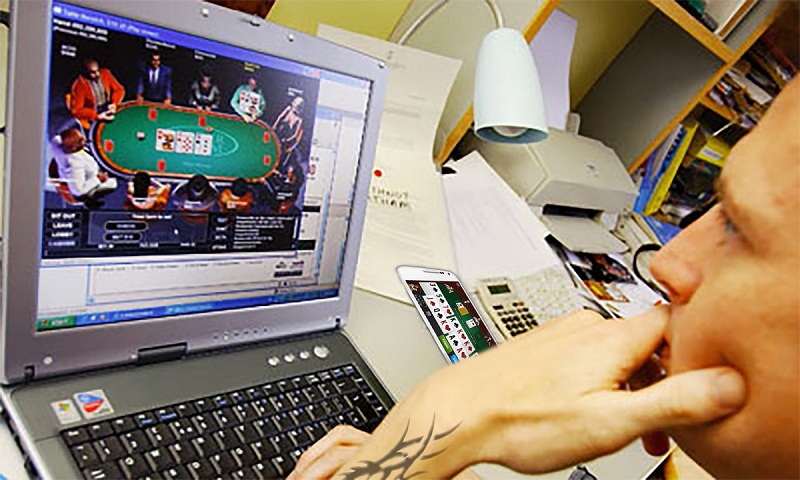
Online poker has revolutionised the game, making it more accessible than ever. Players now hone skills against global opponents, multi-table from their laptops, and qualify for million-dollar live events through modest online satellites.
-
Online Rooms: From micro-stakes cash games to massive multi-table tournaments, the internet caters to all bankrolls and experience levels.
-
Training Tools: Forums, tracking software, and coaching sites give today’s players an edge that old-school legends could hardly imagine.
-
Live Streams and Content: Twitch and YouTube have popularised poker as an e-sport of sorts. Fans watch top pros break down hands in real time, learning nuances of strategy once locked behind smoky card room doors.
Poker Culture: Legends and Lore
Poker’s culture is steeped in legendary tales—epic bluffs, improbable comebacks, and characters as colourful as any novel could dream up. Names like Doyle Brunson, Phil Ivey, and Daniel Negreanu have become icons, not just for their winnings but for their larger-than-life personas and contributions to the game’s mystique.
Poker movies—from Rounders to Casino Royale—have only cemented its allure, inspiring new generations to chase that feeling of pushing in a big stack on a daring bluff, heart pounding as opponents weigh your fate.
Conclusion: The Timeless Test
In the end, poker endures because it remains more than cards and chips. It is a test of patience, nerve, and wit. It rewards those who study, adapt, and stay calm when fortunes turn.
In an age of instant entertainment and short attention spans, poker’s enduring lessons—risk calculation, reading people, handling losses gracefully—remain timeless life skills dressed in the cloak of a thrilling game. Whether you sit at a table in a neon-lit casino or play a quiet hand online at midnight, the cards are the same, the stakes are yours to choose, and the challenge never grows old.
So shuffle up and deal—your next lesson, and perhaps your next triumph, waits just beneath that deck.