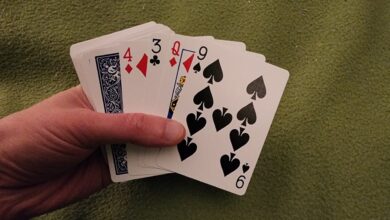

Endless Decks, Endless Stories: The Enduring Magic of Card Games


Introduction: A Deck of Cards, A World of Possibilities
Few objects have traveled so far and touched so many cultures as the humble deck of cards. At first glance, it is a simple stack of paper or plastic rectangles, adorned with familiar suits and numbers. Yet within this deck lies an endless canvas for human imagination—games of chance, contests of skill, tests of memory, and sparks for stories and social bonds that can last a lifetime.
Card games have crossed centuries and continents, shifting shapes and rules yet retaining their magnetic pull on young and old alike. In this modern age of screens and fleeting digital amusements, card games persist, proving that sometimes the simplest tools offer the richest experiences. To hold a deck is to hold a thousand ways to pass time meaningfully—with laughter, rivalry, quiet focus, or spirited competition.
A Journey Through Time: Cards Across Cultures
Historians believe that playing cards first emerged in Imperial China during the Tang dynasty around the 9th century. Early decks bore little resemblance to today’s standard 52-card pack; they were used in gambling and storytelling alike. As the practice traveled westward along trade routes through India and Persia, cards absorbed regional flavours. By the 14th century, Europe had fallen under their spell, and the suits began to take the forms we know today: hearts, clubs, spades, and diamonds.
In France, artisans refined the modern deck and standardised designs that persist today. By the 18th century, cards were found in the parlours of nobles and the pockets of commoners alike. They served as icebreakers, diversions, and sometimes even coded political commentary. Over time, each nation cultivated its own favourites: Bridge in Britain’s stately clubs, Poker in American saloons, Skat in Germany’s pubs.
What Makes Card Games So Enduring
Why do cards outlast trend after trend? Their enduring appeal lies in a blend of qualities that few other games can claim.
-
Accessibility: A deck is portable, inexpensive, and nearly indestructible. It travels easily from kitchen tables to campfires, from park benches to long train rides.
-
Infinite Variety: With just one deck, you can play everything from a quick round of Snap to a marathon session of Bridge or Poker.
-
Balance of Skill and Luck: Many card games blend elements of chance with strategy, psychology, and memory. Players can sharpen skills but never entirely tame fate.
-
Social Connection: Cards spark conversation and laughter, forge friendships, and sometimes heal old rifts over a shared hand.
-
Generational Bridges: Grandparents teach grandchildren; parents pass down family favourites. Each shuffle is a link to countless past games and memories.
Classics that Stand the Test of Time
Though the variations are endless, some card games have risen to near-universal status, cherished in living rooms, clubs, and casinos alike.
1. Bridge: The Game of Minds
No other card game commands the quiet respect of Bridge. More than mere pastime, it is often described as a mental sport—one that tests memory, communication, and partnership. Bridge clubs thrive worldwide, with international competitions and fervent communities dedicated to mastering its intricate conventions and bidding systems.
2. Poker: Where Luck and Bluff Collide
Poker’s hold on popular culture is unmatched. From wild western saloons to televised high-stakes tournaments, Poker’s magic lies in its mix of raw probability, psychological warfare, and the simple thrill of going all in. A single bluff can make or break a champion—a reminder that in cards, as in life, fortune favours the bold but spares no fool.
3. Solitaire: A Meditation for One
Sometimes cards are a solitary comfort. For centuries, Solitaire—or Patience—has helped players pass quiet hours. Long before it was digitised on every PC in the 90s, people laid out cards on kitchen tables, finding peace in small acts of order and deduction.
4. Rummy: Family Fun Across Generations
Rummy in its many forms—Gin Rummy, Indian Rummy, Kalooki—has long delighted families. Easy to learn but tricky to master, it rewards players who track what has been played and what might still come, blending luck with memory.
5. Hearts and Spades: Trick-Taking Traditions
These timeless trick-taking games keep friends up late into the night. While Hearts focuses on avoiding points, Spades demands careful bidding and calculated plays. Both are mainstays at holiday gatherings and university dorms alike.
Life Lessons at the Card Table
It is easy to see card games as mere diversions. But over countless hands, they subtly instil skills and lessons that linger long after the last card is dealt.
-
Probability and Risk: Players develop an intuitive grasp of odds—an everyday skill, whether investing or deciding when to take a chance.
-
Memory and Focus: Remembering played cards sharpens the mind and keeps wits agile.
-
Emotional Control: Cards test patience and teach how to win gracefully, lose graciously, and resist tilting into rash decisions.
-
Reading People: In Poker or Bridge, players learn to interpret subtle cues—a raised eyebrow, a too-casual shrug—reminders that the greatest games happen not just in the cards, but in the minds and faces around the table.
Card Games in the Digital Age
The rise of the internet has not replaced the humble deck—it has amplified it. Millions play Bridge or Poker online, connecting across continents. Solitaire’s digital cousin remains a comfort on laptops worldwide. Apps have brought old classics and new twists to mobile screens, allowing players to duel strangers or practice alone.
Yet digital decks have not killed the charm of the real thing. Many still relish the feel of shuffling, the sound of cards snapping against a wooden table, the warm ritual of dealing a hand among friends.
Keeping Card Culture Alive
In a world brimming with fast-paced distractions, a simple deck remains an invitation to slow down and gather together. Keeping the culture alive is as easy as starting a game.
-
Teach the Next Generation: Pass down the games you learned. Children remember the lessons, the laughter, and the warmth of those shared moments.
-
Host a Game Night: Poker, Rummy, or Spades—pick a favourite and make an evening of it.
-
Travel with a Deck: A deck slips easily into a pocket or bag, ready to transform a dull wait into an impromptu game.
-
Learn Something New: Expand your repertoire. Try Canasta, Euchre, or Pinochle—each game unlocks new strategies and traditions.
Conclusion: The Timeless Shuffle
A deck of cards is proof that the simplest things endure longest. Its edges may wear, its backs may fade, but its power to connect people, sharpen minds, and create stories never diminishes. Whether played on a luxurious casino felt, a picnic blanket, or a makeshift cardboard table, card games remind us that sometimes the richest joys are born from the quiet shuffle, the secret glance, and the final flip of a winning hand.
So deal a hand, gather your people, and let the stories unfold—one card at a time.