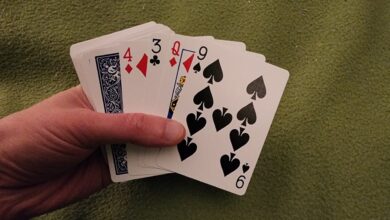


Card games have brought people together across dining room tables, community centers, and competitive tournament halls for centuries. Whether playing a casual hand of Hearts with family, sitting down for a Friday night poker game, or participating in a high-stakes trick-taking tournament, understanding the mechanics of a game is only half the battle. The unspoken social framework that dictates how players interact around the table is just as vital.
Card game etiquette consists of the unwritten rules, proper manners, and traditional customs that maintain fairness, speed up gameplay, and foster a welcoming atmosphere. Master these essential guidelines to ensure every hand remains enjoyable, competitive, and respectful for everyone involved.
Fundamentals of Table Behavior and Respect
Before diving into specific mechanical rules, every card player should understand the general behavioral expectations that apply across all game variations. Good manners create a positive environment and prevent unnecessary table friction.
Maintaining Proper Pace of Play
Few things frustrate a card table faster than a player who consistently halts the rhythm of the game. While complex decisions naturally take time, taking excessive pauses during routine decisions degrades the experience for everyone else.
-
Keep your attention on the current state of the game rather than checking smartphones or television screens.
-
Plan your potential moves during other players’ turns so you are ready to act when your turn arrives.
-
If you need a moment to calculate a play, briefly acknowledge the delay to your fellow players so they know you are actively thinking.
Handling Victory and Defeat Gracefully
Card games inherently blend strategic skill with random variance. How you react to luck, good or bad, reveals your character as a player.
Avoid grandstanding or gloating after pulling off a lucky draw or orchestrating a major win. Likewise, complaining incessantly about bad cards, poor seating positions, or bad luck drains the energy from the table. Congratulate opponents on well-executed plays, accept losses without making excuses, and move on to the next hand smoothly.
Keeping the Playing Surface Clean
Food and drinks pose a continuous threat to playing cards, especially paper or custom cardstock decks. Sticky or greasy fingers leave permanent marks on cards, making them marked and unplayable.
-
Keep drinks on side tables, cup holders, or coasters positioned away from the active dealing area.
-
Avoid eating messy, greasy, or powdery finger foods like chips or wings while holding cards.
-
Clean your hands thoroughly before sitting down to play, especially if a host provides high-quality or collectible card decks.
Card Handling Mechanics and Fair Play
Physical card mechanics require care and consistency. Improper card handling can accidentally reveal information, damage the deck, or create unfair advantages.
Proper Shuffling and Dealing Protocols
The dealer bears the primary responsibility for ensuring a random starting state for every round. Shuffling should be thorough without damaging the cards through excessive force.
When dealing, keep the cards low to the playing surface. Angles that tilt upward during distribution allow adjacent players to catch glimpses of cards before they land face down. Distribute cards smoothly, going clockwise around the table unless the specific game rules dictate otherwise, and ensure every player receives their exact card allocation before anyone picks up their hand.
Managing Your Private Cards
Information management is central to almost all card games. Keeping your hand private protects the integrity of the game for everyone, not just yourself.
-
Hold your cards close to your chest, fanning them subtly toward your body rather than outward toward neighboring players.
-
Keep your cards above the level of the table surface at all times to confirm that you are not altering your hand illegitimately.
-
Avoid resting your hand face-down unless game rules require it, and never stack cards in a way that obscures your active card count from opponents.
Avoiding “Angle Shooting” and Unethical Tactics
Angle shooting refers to using technically legal, yet unethical actions to manipulate opponents or gain an unfair advantage. Examples include making ambiguous verbal statements to gauge reactions, intentionally acting out of turn to force an opponent’s hand, or pretending to miscount chips or cards.
While bluffing within the defined rules of games like poker or bridge is entirely legitimate, intentionally misleading opponents using manipulative body language or rule loopholes breaks the spirit of sportsmanship. Play cleanly, state your intentions clearly, and respect the integrity of the contest.
Etiquette for Specific Popular Card Game Categories
Different categories of card games have unique traditional norms built around their specific rulesets and tactical structures.
Poker Table Customs
Poker carries some of the most rigid etiquette standards in the gaming world due to the financial or competitive stakes involved.
-
String Betting: Always declare your total bet verbally before moving chips or move your intended bet size across the betting line in a single, fluid motion. Stacking chips in multiple trips creates confusion and is prohibited.
-
Slow Rolling: Holding the obvious winning hand and taking an unnecessarily long time to reveal it during the showdown to taunt an opponent is considered one of the worst breaches of etiquette.
-
Talking During an Active Hand: Never discuss the contents of folded cards or comment on an active hand if you are not directly involved in the head-up or multi-way pot.
Trick-Taking Games (Bridge, Spades, Hearts)
Trick-taking games depend heavily on strategic communication through card play rather than verbal hints.
Never signal your partner using subtle gestures, facial expressions, or intentional delays in playing a card. In partner games like Bridge or Spades, any information passed outside of legal bids and card plays compromises the match. Furthermore, always play your cards clearly into the center of the table and avoid pulling tricks toward your pile until everyone has played their card for that turn.
Casual and Party Card Games
In lighter games like Uno, Exploding Kittens, or traditional rummy variations, the emphasis shifts toward social enjoyment. However, basic courtesy remains vital. Avoid ganging up on a single player repeatedly out of personal spite outside of the game, teach rules patiently to beginners without mocking mistakes, and respect house rules established by the host before the first round begins.
The Role of the Host and Setting House Rules
Clear communication before the first card is dealt prevents the vast majority of table disputes. The host or organizer should set expectations clearly at the start of the session.
If your play group prefers specific house rules, such as custom wild card variations, unique scoring systems, or non-standard dealing rotations, explain them explicitly to all players prior to shuffling. Once established, stick to those agreed-upon rules consistently throughout the session to avoid claims of favoritism.
Frequently Asked Questions
What should I do if I accidentally see another player’s card during the deal?
Immediately alert the dealer and the rest of the table that a card was exposed. In formal settings, an exposed card during a deal is typically shown to all players for fairness and replaced according to standard game rules, or the hand is redealt entirely if multiple cards are exposed.
Is it acceptable to correct a beginner who makes a mistake during a casual game?
Yes, but do so politely and constructively. Explain the rule clearly without making the player feel embarrassed. In casual settings, it is customary to allow beginners a “take-back” if their mistake was made purely out of misunderstanding the game mechanics.
How should table disputes or rule arguments be resolved?
Pause the hand immediately and consult the official written rulebook or an agreed-upon digital source. If playing in a formal tournament, call the floor manager or tournament director to render an impartial decision. In casual settings, defer to the host’s decision or take a majority vote to keep the game moving forward.
What is the proper protocol if I need to leave the table during a game session?
Wait for the current hand or round to finish before stepping away. If you need a short break for the restroom or a phone call, notify the other players in advance. If you must leave the game permanently before the planned end time, give the group ample notice so they can adjust the table balance or wrap up orderly.
Why is acting out of turn considered such a serious breach of etiquette?
Acting out of turn gives players behind you free information about your intentions before they have made their own decisions. This alters the natural strategic flow of the game, influences other players’ actions unfairly, and can completely ruin the tactical balance of the hand.
How do I handle a player who is consistently sore when losing?
Address the issue calmly away from the table or during a natural break. Remind them gently that the primary goal of the session is mutual entertainment. If the negative behavior continues to disrupt the group, the host may need to pause inviting that individual to future game nights.