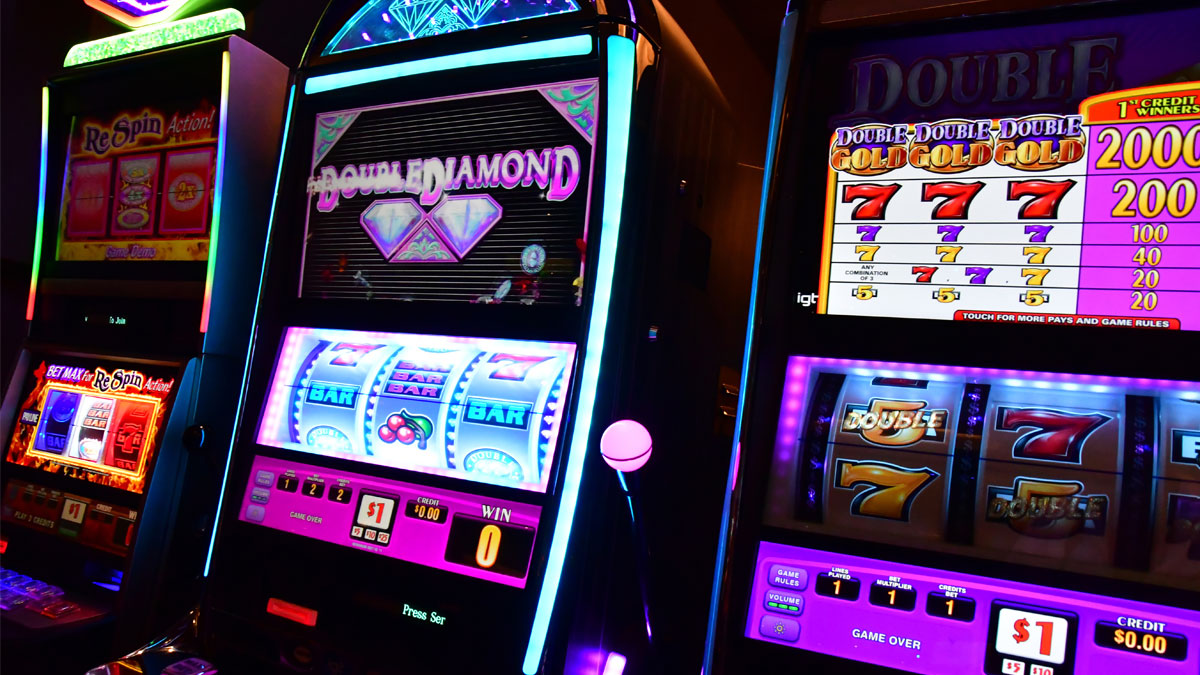


The online casino industry is undergoing a period of rapid technological evolution and operational transformation. What began as basic digital translations of classic slot machines and table games has developed into a complex, tech-driven entertainment ecosystem. Driven by advancements in artificial intelligence, decentralized networks, spatial computing, and shifting consumer demographics, online gambling platforms are continuously redefining how players engage with digital gaming.
To maintain market share and appeal to a new generation of players, operators must adapt to emerging behavioral patterns and technological capabilities. Looking ahead, several core trends are set to reshape the landscape of online casinos, driving greater immersion, personalizing player experiences, and establishing higher standards for operational transparency.
Artificial Intelligence and Advanced Personalization
Artificial intelligence is transitioning from a backend supportive infrastructure into the primary driver of the user experience in online casinos. Rather than offering a uniform interface to every visitor, modern platforms utilize predictive machine learning algorithms to craft tailored environments for individual users.
Key applications of AI in upcoming casino platforms include:
-
Dynamic Content Curation: Platforms analyze a user’s historical play style, favorite game mechanics, volatility preferences, and session durations to display customized game lobbies.
-
Real-Time Recommendation Engines: Machine learning models suggest new titles, personalized promotional offers, and relevant side bets based on immediate player activity.
-
Intelligent Customer Support: Advanced conversational AI systems resolve complex account inquiries instantly, providing natural, human-like assistance around the clock.
-
Predictive Churn Prevention: Algorithms identify early signs of player disengagement, automatically triggering custom retention incentives before a user leaves the platform.
Beyond individual personalization, AI plays an increasingly vital role in player safety. Predictive models analyze betting behaviors to flag early indicators of problem gambling, allowing operators to trigger automated safety warnings, deposit limits, or temporary cooling-off periods to protect vulnerable users.
The Growth of Crypto Casinos and Web3 Integration
Cryptocurrency and blockchain technology have moved beyond fringe payment alternatives to become central pillars of modern online gaming architecture. Decentralized networks offer distinct operational advantages over traditional payment processors, appealing to tech-savvy players who prioritize financial privacy, transaction speed, and transparency.
Decentralized Payments and Instant Settlements
Traditional fiat withdrawals often involve processing delays, banking fees, and international transfer restrictions. Cryptocurrency transactions enable near-instantaneous deposits and withdrawals with minimal overhead costs. The adoption of stablecoins has further accelerated this trend by eliminating token volatility while retaining the efficiency of blockchain rails.
On-Chain Transparency and Provably Fair Gaming
Blockchain technology enables provably fair game mechanics, allowing players to verify the randomness and mathematical integrity of every spin, card deal, or roll directly on a public ledger. Smart contracts execute game logic automatically, ensuring that winning payouts are transferred instantly without intervention from centralized accounting departments.
Immersive Gaming Through AR, VR, and Spatial Computing
While live dealer games successfully brought human interaction to online screens, virtual reality and augmented reality technologies are taking digital casino immersion to the next level. As hardware becomes more accessible and lightweight, virtual casinos are moving from novelty experiences into mainstream entertainment options.
Virtual environments allow players to walk through fully rendered digital casino floors, sit down at virtual blackjack tables with avatars representing other real players, and physically manipulate slot controls using hand-tracking technology. Augmented reality overlays digital interfaces onto a user’s physical room, blending home environments with interactive table games.
Spatial computing allows platforms to merge social interaction with remote play, creating shared virtual lounges where players can converse, watch live sports, and participate in community tournaments in real time.
Gamification and the Shift Toward Skill-Based Content
Traditional casino games rely entirely on random number generators, where outcomes depend solely on chance. However, younger demographics accustomed to video games, mobile apps, and competitive esports often seek deeper engagement than traditional slot reels provide.
To bridge this gap, online operators are integrating heavy gamification and developing skill-based hybrid games.
Key elements driving this shift include:
-
Progression Mechanics: Players earn experience points, unlock achievement badges, and climb public leaderboards as they complete game objectives.
-
Narrative-Driven Slots: Storyline-based slot games unfold progressively over multiple gaming sessions, unlocking new levels, characters, and bonus rounds as players advance.
-
Skill-Influenced Mini-Games: Arcade-style and shooting mechanics allow a player’s hand-eye coordination, timing, and strategic choices to influence bonus round multipliers and payout yields.
-
Competitive Tournaments: Multiplayer slot races and communal leaderboards foster a sense of competition, transforming solitary play into a social sport.
Micro-Betting and In-Game Sports Integration
The convergence of online sports betting and digital casino platforms continues to accelerate. The growth of high-speed data feeds and low-latency streaming allows operators to introduce micro-betting options that break sporting events down into individual, rapid-fire wagering opportunities.
Rather than betting solely on the final outcome of a football match, users can wager on the success of a single pass, the outcome of an upcoming pitch, or the point total of a specific basketball possession. This fast-paced, high-frequency format mirrors the instant feedback loop of traditional casino slot machines, blending sports media directly with casino-style engagement.
Simultaneously, platforms are embedding casino side games directly into live sports streams, allowing users to play quick hands of blackjack or spin a roulette wheel during commercial breaks and halftime intervals without switching apps.
Regulatory Evolution and Compliance Automation
As the global online casino market expands into newly legalized jurisdictions, regulatory frameworks are becoming increasingly rigorous. Operators face complex compliance requirements across different regions concerning taxation, data privacy, user verification, and responsible gaming.
To navigate these challenges, platforms are adopting automated RegTech software. These systems use biometric verification, automated Know Your Customer checks, and real-time geolocation tracking to verify player eligibility in seconds without adding unnecessary friction to the onboarding process. Compliance automation ensures operators maintain legal licensing while maintaining a seamless user experience.
Frequently Asked Questions
Will traditional online slots be completely replaced by skill-based games?
No. Traditional random-number-generator slot games will remain extremely popular due to their simplicity, high payout potential, and wide appeal. Skill-based games are designed to complement classic portfolios, targeting younger players who prefer interactive mechanics alongside traditional games of chance.
How do crypto casinos handle token volatility during gameplay?
Many crypto platforms allow players to deposit digital assets while converting balances into stablecoins or traditional fiat values during active gaming sessions. This protects players from market fluctuations while they sit at tables or play slots, converting back to digital assets upon withdrawal.
Are VR casino games playable without expensive virtual reality headsets?
Most platforms developing VR experiences offer cross-platform support, allowing users to access the same games via standard desktop computers, mobile screens, or web browsers, though full 3D spatial interaction requires a VR or AR headset.
How does AI improve safety for online casino players?
AI continuously monitors account activity to detect irregular wagering patterns, such as sudden increases in bet sizes, chasing losses, or unusually long playing sessions. When high-risk behavior is identified, the system can send automated warnings, suggest cooling-off periods, or enforce account deposit limits.
What is micro-betting and how does it differ from traditional live sports betting?
Traditional live sports betting involves placing wagers on full-game outcomes, point spreads, or total scores while a match is underway. Micro-betting focuses on tiny, immediate moments within a game, such as whether a specific baseball pitch will be a strike or if a team will complete their next pass.
Will live dealer games continue to grow alongside virtual reality options?
Yes. Live dealer games remain one of the fastest-growing segments in online gaming because they offer real human interaction, physical card decks, and real roulette wheels. VR platforms are integrating live dealers into virtual studio settings to combine real-world hospitality with digital environments.
What role will smart contracts play in the future of online gambling?
Smart contracts automate game execution and financial payouts without human intervention. By removing the casino as an intermediary during payout execution, smart contracts guarantee that winning wagers are settled instantly and transparently according to pre-programmed open-source code.